

Ari Goldstein
Current landscape
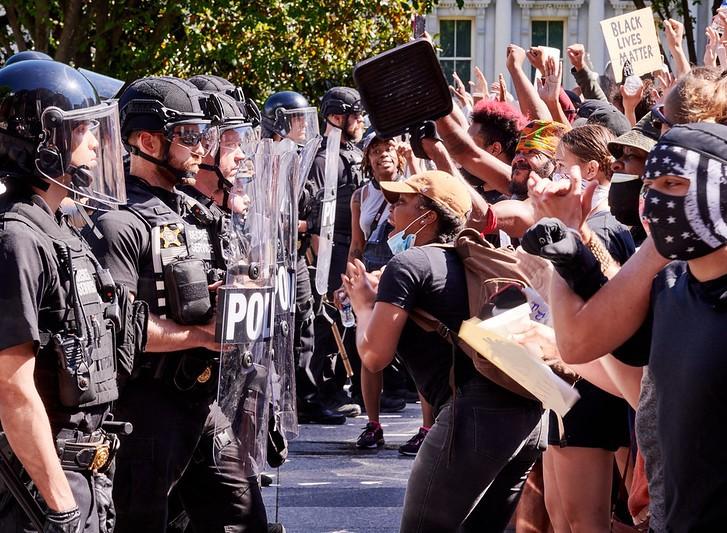
Riots and large-scale civil disturbances (e.g., 2020 protests, Jan 6 2021) have shown gaps in coordination between local, state, and federal law‑enforcement agencies.
Proposal: A dedicated anti‑riot unit that exists in each state but operates under a unified federal command structure during declared emergencies.
Potential Advantages
1. Consistent Training & Standards
Uniform protocols (de‑escalation, crowd control, protective gear) reduce variance across states and lower risk of excessive force or mishandling.
2.Rapid Inter‑State Deployment
When unrest spreads beyond one jurisdiction (e.g., nationwide protests), a federally coordinated unit can move quickly without waiting for mutual‑aid agreements.
3. Clear Chain of Command
A single command hierarchy prevents confusion, overlapping orders, and “jurisdictional tug‑of‑war” seen in past incidents.
4. Resource Pooling
Federal funding for equipment (helmets, shields, non‑lethal tools) and specialized training that many smaller state agencies can’t afford.
5.Accountability & Oversight
Federal oversight could enforce stricter use‑of‑force policies and independent review boards, addressing criticism of local police misconduct.
Concerns & Counter‑Arguments
1. Federal Overreach
Risks eroding state sovereignty and raising fears of a national police force that sidesteps local democratic control.
2. Militarization of Policing
Critics argue adding federal troops or para‑military units could escalate tensions and undermine community trust.
3.Cost & Redundancy
Duplicating structures (state + federal) may strain budgets; existing National Guard and state police already have riot‑response capabilities.
4.Legal Ambiguities
When does federal command supersede state authority? Clear legal triggers (e.g., Insurrection Act) needed to avoid conflicts.
Balanced View
A hybrid model — state‑based units with federal standards, funding, and command only during declared national emergenciescould combine the benefits of local knowledge with the coordination and resources of the federal system. However, safeguards are essential:
Strict invocation criteria (e.g., governor or president approval, Congressional oversight).
Robust accountability mechanisms (independent investigations, body‑cam mandates).
Clear sunset clauses (units revert to state control once the emergency ends).
Conclusion
While a federally coordinated anti‑riot force might improve response efficiency and safety, the U.S. must weigh it against historic wariness of centralized power and community policing values. A carefully crafted framework that respects state autonomy, limits federal activation, and embeds strong oversight could address current shortcomings without compromising civil liberties.
Discussion point:
Should such a force exist at all, or would strengthening mutual‑aid pacts and training for existing state National Guard units be a safer, more decentralized solution? 🤔